
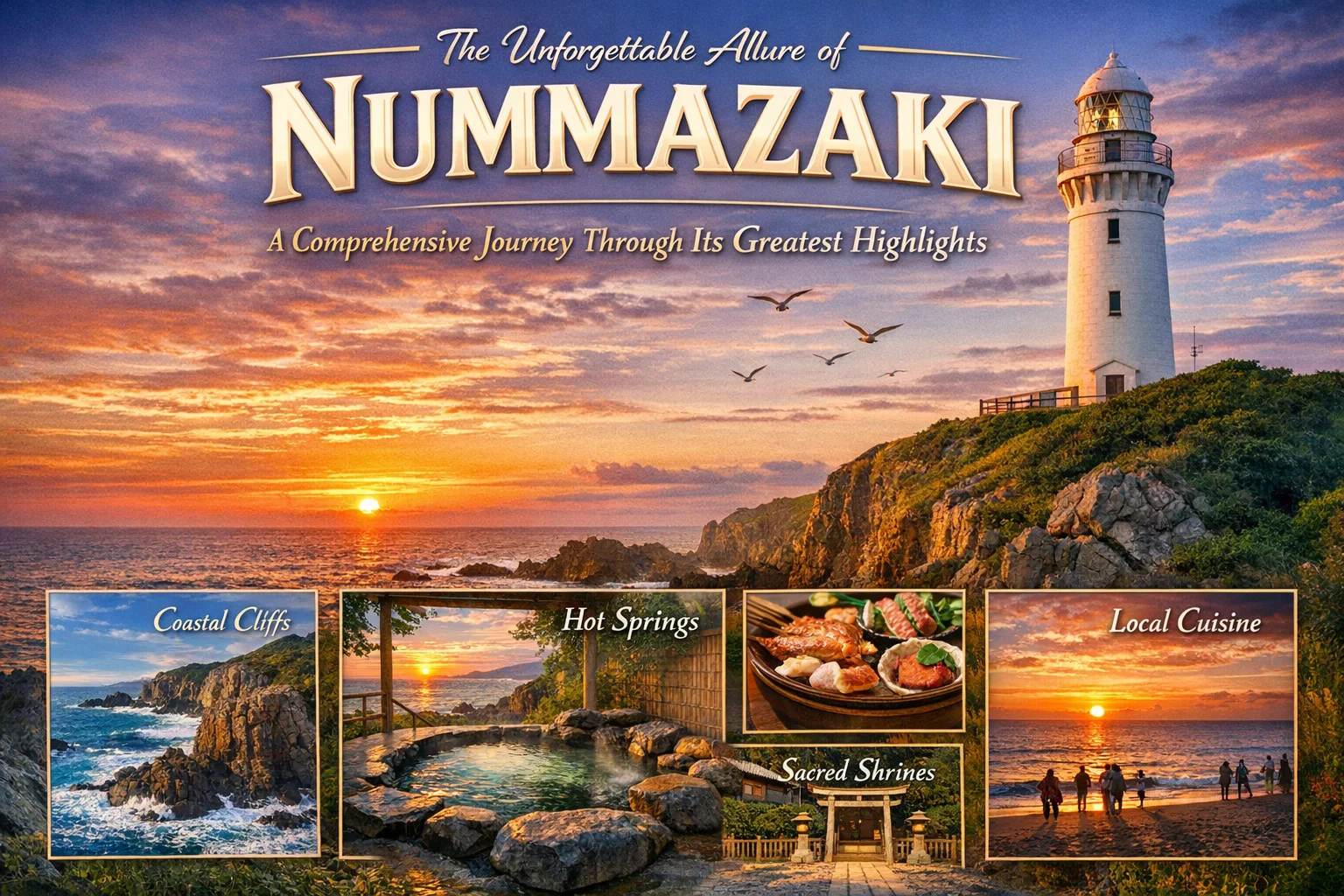
Highlights of Nummazakii: Tucked away from the well-trodden tourist circuits, Nummazaki exists as a whispered secret among seasoned travelers—a place where nature’s drama, deep-rooted culture, and serene daily life converge into something genuinely magical. To speak of the highlights of Nummazaki is not merely to list attractions; it is to unravel a compelling narrative written in volcanic rock, painted with coastal sunsets, and echoed in the laughter from local tavernas. This isn’t a destination you simply visit; it’s one you experience, feel, and inevitably carry within you long after you’ve departed.
The very essence of the place lies in its stunning contrasts: formidable cliffs that give way to gentle, hidden coves, ancient traditions that pulse with contemporary life, and a palpable silence that somehow speaks volumes. This article is your definitive guide, an immersive deep dive into the multifaceted highlights of Nummazaki, designed for the curious explorer eager to look beyond the brochure. We’ll journey together through its geological wonders, uncover its historical heartbeat, savor its culinary delights, and navigate its practical charms, all to answer the compelling question: what makes Nummazaki so profoundly special?
The Geological Marvels That Define Nummazaki
The landscape of Nummazaki is the result of a millennia-long conversation between volcanic fury and the relentless patience of the sea. This dialogue has sculpted a coastline that is arguably the region’s most breathtaking signature, a primary entry in any catalog of the highlights of Nummazaki.
The most iconic of these formations is the Great Sentinel Cliff, a sheer basalt face that plunges hundreds of feet into the churning ocean below. Standing at the observation point, you’re met with a visceral sense of scale. The wind whips unabated, carrying the salt spray and the cries of seabirds that nest in the cliff’s myriad crevices. At sunset, this natural monolith transforms into a canvas of fire and shadow, a daily spectacle that draws photographers and romantics alike. The cliff isn’t just a static wall; it’s a living ecosystem, with hardy, wind-sculpted pines clinging to its upper ridges and unique floral species found nowhere else in the world coloring its less precipitous slopes in spring.
Venturing from the heights to the waterline reveals another facet of Nummazaki’s geological personality: the Sea Caves of Whispers. Accessible only by small boat on calm days, these caverns, carved by wave action, are a labyrinth of hidden chambers. As your skiff glides into the cathedral-like silence, the water shifts from deep blue to an ethereal, glowing aquamarine, lit by sunlight filtering through underwater fissures. The local guides will tell you the caves got their name from the peculiar acoustic properties inside—soft sounds seem to carry and reverberate, creating a haunting, melodic whisper.
It’s a humbling reminder of nature’s quiet, persistent power. Further along the coast, the Staircase Basalt Columns present a dramatic contrast. These perfectly hexagonal pillars, formed by the slow cooling of ancient lava flows, look like a giant’s staircase descending into the sea. They provide not only a fascinating lesson in geology but also a challenging and rewarding climb for agile explorers, leading to secluded tidal pools teeming with marine life.
A Tapestry Woven in Time: Cultural and Historical Heartbeat
Beyond the raw physical beauty, the soul of Nummazaki is etched into its historical sites and vibrant cultural traditions. This is where the past is not preserved behind glass but is a living, breathing part of the present, adding profound depth to the highlights of Nummazaki.
At the center of this historical narrative is the Nummazaki Watchtower, a crumbling stone sentinel perched on the western bluffs. Contrary to its martial name, local historians believe it served less as a defensive structure and more as an astronomical observatory for an ancient seafaring culture. Its alignment with specific celestial events, particularly the summer solstice sunrise, suggests a sophisticated understanding of the stars, which would have been crucial for navigation. The Watchtower exudes an aura of silent mystery. There are no plaques shouting facts, just the stones, the wind, and the expansive view of the horizon they once studied. It’s a place for quiet contemplation, where you can easily imagine ancient scholars tracking the constellations.
This deep connection to the sea and sky is mirrored in the Fisherfolk’s Quarter, a district of narrow, winding lanes and whitewashed houses with blue shutters in the main port town. Here, history is measured in generations of net-menders and boat-builders. The Maritime Museum, housed in a former smokehouse, doesn’t just display artifacts; it tells intimate stories of survival, storm, and bounty through personal diaries, weathered tools, and beautifully crafted scale models of traditional fishing vessels.
The cultural calendar of Nummazaki bursts into life with its festivals, which are undisputed highlights of Nummazaki’s social fabric. The Festival of the Lantern Tide, held on the first full moon of autumn, is a spectacle of breathtaking beauty. As dusk falls, hundreds of locals and visitors gather on the main beach to launch small, handmade paper lanterns onto the gentle waves, each one carrying a wish, a prayer, or a memory. The sight of these flickering lights drifting out to sea, reflecting on the black water, is emotionally powerful and visually unforgettable.
In stark, vibrant contrast is the Spring Drum Festival, a raucous, energetic celebration of the end of the stormy season. Teams from different villages compete in complex, rhythmic drumming battles, using massive, goat-skin drums whose deep, percussive notes are said to mimic the heartbeat of the earth itself. The streets thrum with energy, filled with dancers in colorful, flowing costumes and the irresistible aroma of street food. These events are not performances for tourists; they are communal expressions of identity, and visitors are welcomed with open arms to participate and share in the joy.
Culinary Journeys: Savoring the Taste of Nummazaki
To truly know a place, you must taste it. The culinary landscape of Nummazaki is a direct, delicious reflection of its environment—simple, honest, and deeply connected to the sea and the terraced hills inland. The gastronomic highlights of Nummazaki are a journey for the palate as rewarding as any visual sightseeing.
The undisputed king of the table is the Nummazaki Black-Lip Mussel. Grown on unique submerged volcanic rock shelves where nutrient-rich currents converge, these mussels are smaller than their Atlantic cousins but pack an incomparable intensity of flavor—a sweet, briny, almost mineral taste. They are served in a dozen ways, but the classic “à la roche”—steamed simply with local white wine, garlic, and a touch of wild thyme—is a transcendent experience. Another coastal staple is Slow-Simmered Octopus Stew, a dish that speaks of patience and tradition. The octopus is tenderized by being gently swirled in copper pots by skilled fishermen-cooks, then stewed for hours with tomatoes, olives, and the region’s distinctive sun-dried capers until the meat is meltingly tender and the sauce is richly complex. It’s a Sunday tradition in many families, best enjoyed with a chunk of crusty, stone-baked bread.
Venturing inland, the cuisine shifts with the terrain. The Highland Herdsman’s Plate is a celebration of pastoral life, featuring grilled lamb chops from sheep that graze on aromatic mountain herbs, a sharp, aged goat cheese, and a salad of bitter wild greens dressed with honey and vinegar. For a truly unique taste, seek out Mountain Ash Berry Jam, a tart, amber-colored conserve made from a berry that grows only in the high meadows of Nummazaki. It’s a perfect accompaniment to cheese or game meats. No culinary exploration is complete without visiting the Weekly Harbor Market. Here, the morning’s catch is laid out on ice—silvery fish with vivid blue fins, ruby-red lobsters, and buckets of those famous mussels. But it’s more than a fish market; it’s a sensory carnival with stalls selling artisan honey, preserved lemons, clay pottery, and woven baskets. The following table provides a quick guide to some must-try flavors:
| Dish/Product | Key Ingredients | Where to Best Experience It |
|---|---|---|
| Mussels à la Roche | Black-lip mussels, local wine, garlic, wild thyme | Waterfront tavernas in the main port |
| Octopus Stew | Tenderized octopus, tomatoes, olives, sun-dried capers | Family-run restaurants in the old Fisherfolk’s Quarter |
| Highland Herdsman’s Plate | Herb-fed lamb, aged goat cheese, wild greens | Inland village kafeneia (traditional cafes) |
| Mountain Ash Berry Jam | Wild mountain ash berries, sugar | Weekly Harbor Market or farmstead stalls |
| Sea Salt & Thyme Biscuits | Local sea salt, wild thyme, olive oil | Artisan bakeries and as a welcome in most guesthouses |
The Path Less Traveled: Off-the-Beaten-Path Adventures
While the major sites are awe-inspiring, the true magic of Nummazaki often reveals itself in the quiet, unexpected moments found away from the main viewpoints. These hidden gems are essential highlights of Nummazaki for the intrepid traveler.
One such experience is the pilgrimage to the Hermitage of Saint Anya, a tiny, centuries-old chapel carved into a cliffside cave accessible only by a narrow, winding footpath that hugs the coastline. The journey there is half the reward, offering panoramic views of lonely inlets and soaring raptors. The hermitage itself is a place of profound peace, with a simple altar and a freshwater spring dripping from the rock. It’s a spiritual site irrespective of one’s faith, offering a tangible connection to the ascetic history of the region. For nature enthusiasts, the Cedar Valley Hinterland provides a completely different ecosystem.
A network of old shepherd’s trails leads through forests of ancient, fragrant cedar trees, opening up into high meadows carpeted with wildflowers in late spring. The air is cool and scented, and the only sounds are birdcall and the breeze. It’s a premier area for birdwatching, with several endemic species, including the elusive Nummazaki blue finch.
For a taste of daily life, nothing beats a Village Olive Harvest Experience, often available through guesthouses in the autumn months. Participating in the ancient ritual of gathering, crushing, and pressing olives connects you to the agricultural rhythm that has sustained these communities for millennia. It’s hard, sticky, wonderfully communal work, invariably followed by a feast under the olive trees, where the green, peppery taste of the fresh oil on bread is a revelation. As one local artisan potter, Eleni, remarked while shaping clay from a riverbank on her kick-wheel:
“In Nummazaki, beauty isn’t something you look at. It’s in the salt on your skin from the boat ride, the smell of crushed olives on your hands, the ache in your legs from climbing the old stairs. We don’t make souvenirs here; we help you collect experiences.”
This philosophy encapsulates the essence of these deeper, more engaged adventures.
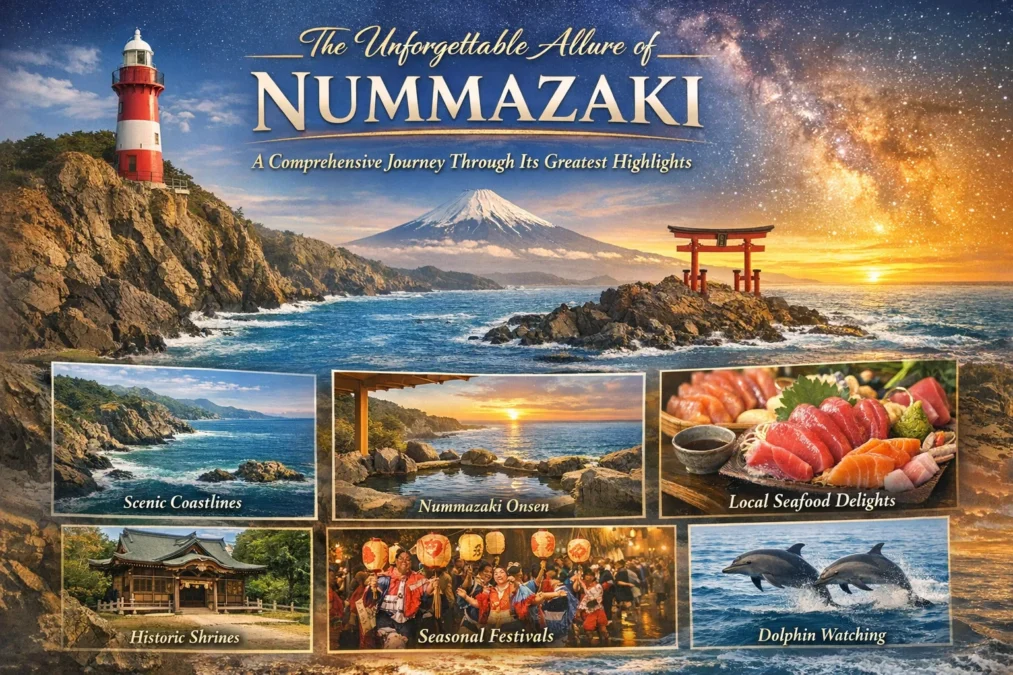
Planning Your Pilgrimage: A Practical Traveler’s Guide
To fully embrace the highlights of Nummazaki, a little planning goes a long way. Understanding the rhythms of the place will ensure you experience it at its best, with minimal stress and maximum immersion.
The first consideration is timing. Nummazaki has a distinct seasonal personality. Late Spring (May-June) and Early Autumn (September-October) are widely considered the ideal windows. The weather is reliably warm and sunny, the crowds are thinner than in peak summer, and nature is either in full bloom or beautifully mellow. Summer (July-August) brings hotter temperatures and the bulk of tourists, particularly to the coastal villages, but it’s also when the major festivals like the Drum Festival occur. The winter months can be stormy, moody, and profoundly quiet, ideal for writers, artists, or anyone seeking solitude, though some services and smaller restaurants may close.
Navigating Nummazaki requires a blend of transport modes. Renting a car is highly recommended for ultimate freedom, especially to reach the hinterland trails, remote villages, and cliffside viewpoints on your own schedule. The roads are well-maintained but can be narrow and winding—part of the adventure. For those sticking to the main coastal towns, the local bus service is reliable, if infrequent. Boat tours are a must for accessing the sea caves and for getting that iconic, offshore view of the cliffs. For accommodation, choices range from charming, family-run guesthouses (pensions) in the villages, which offer authentic interaction and home-cooked meals, to boutique hotels in the port town with more upscale amenities. For a unique stay, look for renovated traditional stone houses in the hills.
Finally, traveling respectfully is key. Nummazaki is not a theme park; it’s a living community. Dressing modestly when visiting religious sites, learning a few basic phrases in the local language (a simple “efharisto” or thank you) goes a long way, and supporting local businesses by eating at family tavernas and buying from artisan makers all contribute to sustainable tourism. Remember, you are a guest in a place where tradition and community are valued above all.
Frequently Asked Questions About the Highlights of Nummazaki
What is the single most unmissable highlight of Nummazaki?
While it’s challenging to choose just one, the most iconic and universally awe-inspiring highlight of Nummazaki is the Great Sentinel Cliff at sunset. The combination of the monumental geological scale, the dramatic play of light and color on the basalt rock, and the powerful sensory experience of the wind and ocean sounds creates a moment of pure, unforgettable majesty. It encapsulates the raw, natural beauty that defines the region.
How many days do I need to experience the main highlights of Nummazaki?
To experience the core highlights of Nummazaki at a relaxed pace—including the cliff views, a boat tour to the sea caves, exploring the historical Watchtower and Fisherfolk’s Quarter, attending a festival if timed right, and enjoying several meals—a minimum of four to five full days is recommended. This allows time for one or two off-the-beaten-path activities, like a hike in the Cedar Valley or a visit to a local market. A week would be ideal for a more immersive, unhurried exploration.
Is Nummazaki a family-friendly destination?
Yes, Nummazaki can be a wonderful destination for families, particularly those with older children or teens who enjoy outdoor activities. The boat tours, exploring tidal pools near the basalt columns, festival celebrations, and easy coastal hikes are great family activities. However, it’s important to note that many of the cliffside paths have steep, unprotected drops and require close supervision of young children. The pace is also generally calm and nature-focused, which may not suit families seeking high-adrenaline amusement.
What is the best way to experience the culinary highlights of Nummazaki?
The absolute best way is to eat where the locals eat. Skip the restaurants with multilingual menus displayed on the harbor front; instead, wander a few streets back and find a bustling taverna with a handwritten menu. Don’t be afraid to ask for recommendations. Participating in a food-focused market tour or a cooking class is also a fantastic way to dive deeper. Most importantly, be adventurous and try the local specialties like the black-lip mussels and octopus stew.
When is the Festival of the Lantern Tide, and how can I participate?
The Festival of the Lantern Tide is held on the first full moon of autumn, which typically falls in late September or early October. The exact date changes each year, so it’s essential to check the local event calendar when planning your trip. Participation is simple and welcome: just arrive at the main beach at dusk. Local vendors sell lanterns (or you can sometimes make your own at workshops earlier in the day), and everyone gathers to light and launch them together. It’s a respectful, communal, and deeply moving event.
Conclusion
The highlights of Nummazaki form a mosaic far richer than the sum of its parts. This is not a destination of checkbox tourism, but one of immersive experience. It’s in the physical thrill of standing before the ancient, wind-battered Sentinel Cliff, the cultural resonance of sharing in a centuries-old drumming rhythm, the simple, profound pleasure of a perfectly cooked mussel tasted with the sea breeze on your lips, and the quiet wonder of finding a hidden chapel in a cave.
The true magic of Nummazaki lies in its ability to engage all the senses and connect visitors to a slower, more authentic rhythm of life—one dictated by the tides, the seasons, and the warmth of community. To explore the highlights of Nummazaki is to be reminded that the most enduring journeys are those that change us subtly, leaving us with memories not just of things we saw, but of how we felt: awed, nourished, and wonderfully alive. It is a place that doesn’t just deserve a visit; it invites a return, promising new layers of its story to be discovered each time.