
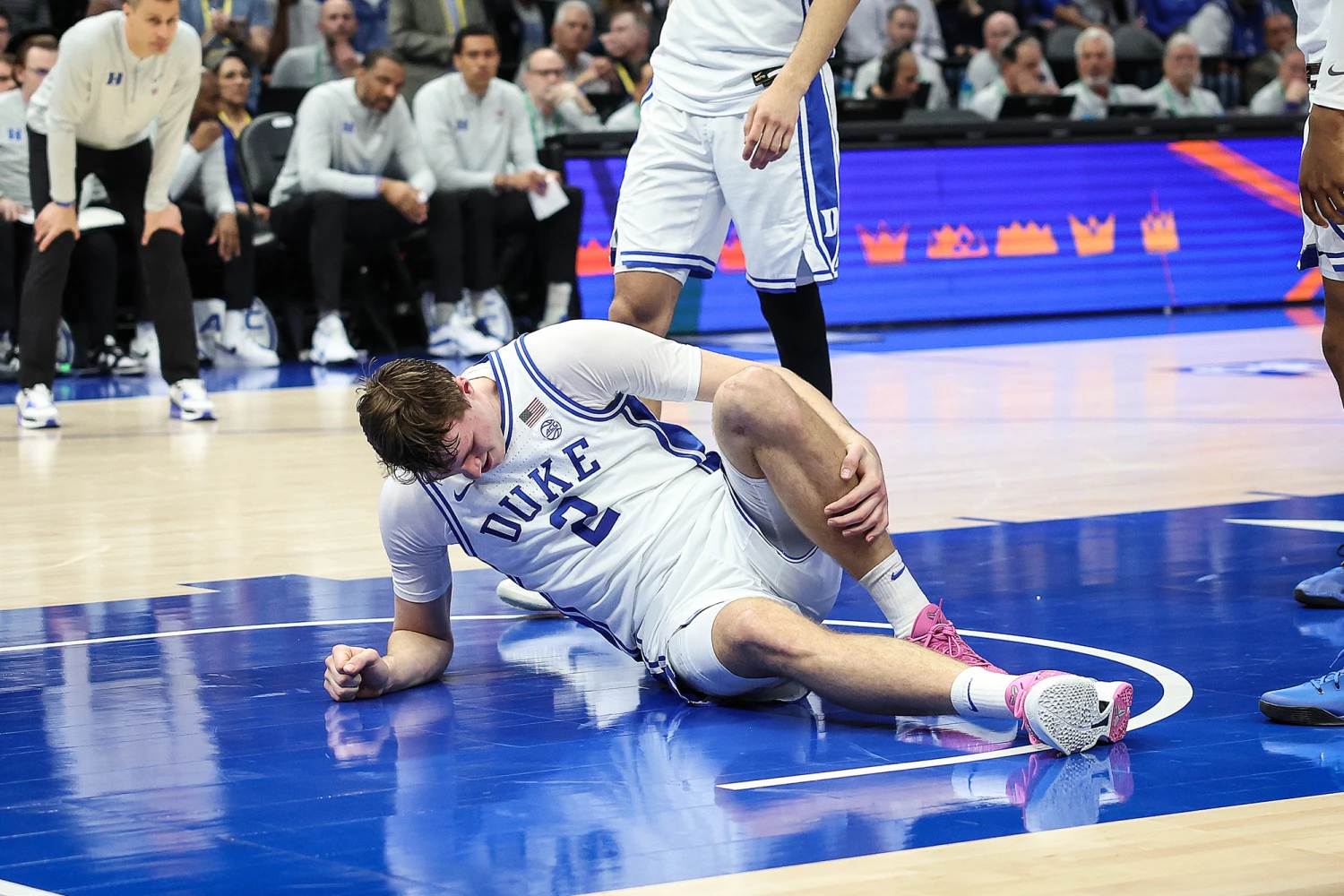
The phrase Cooper Flagg injury has quickly become part of everyday basketball conversation, not because fans enjoy discussing setbacks, but because moments like this reveal how fragile even the brightest paths can be. Cooper Flagg represents promise, intensity, and a modern style of basketball that blends skill with relentless effort. When a Cooper Flagg injury enters the discussion, it shifts attention from highlight plays to deeper questions about development, resilience, and long-term growth.
From youth gyms to national spotlights, the Cooper Flagg injury topic has sparked debates among analysts, coaches, and fans alike. Some see it as a temporary pause, while others frame it as a defining challenge. What matters most is understanding the full picture behind the Cooper Flagg injury, beyond rumors or rushed conclusions. This article breaks down the context, impact, recovery, and future outlook in a way that feels human, informed, and grounded in expert perspective.
Understanding the Context Behind the Cooper Flagg Injury
To truly grasp the Cooper Flagg injury, it helps to understand the environment in which it occurred. Cooper Flagg is not just another talented athlete. He plays with a physical edge, embraces contact, and competes on both ends of the floor. That style naturally places stress on the body, especially when expectations and intensity are constantly high.
The Cooper Flagg injury did not come out of nowhere in the sense that elite competition often pushes athletes to their limits. High-level basketball demands explosive movement, quick changes of direction, and repeated impacts. When observers talk about the Cooper Flagg injury, it is often within this broader framework of workload and physical demand rather than a single isolated moment.
Another important layer to the Cooper Flagg injury discussion is visibility. When a highly regarded player faces any physical setback, the spotlight magnifies every detail. Small updates become headlines, and speculation can outpace facts. That makes it even more important to approach the Cooper Flagg injury with patience and informed analysis rather than emotional reactions.
How the Cooper Flagg Injury Affects On-Court Performance
A Cooper Flagg injury naturally raises questions about performance. Even minor physical issues can influence timing, confidence, and decision-making. For a player known for defensive intensity and attacking instincts, any limitation changes how the game is approached.
In the short term, the Cooper flagg injury may lead to adjustments in movement and role. Coaches often respond by managing minutes, altering defensive assignments, or simplifying offensive responsibilities. These changes are not signs of decline but rather smart strategies to protect long-term development while staying competitive.
Mentally, the Cooper Flagg injury can be just as impactful as the physical side. Elite athletes are wired to push through discomfort, and learning when to hold back is part of maturation. The way Cooper Flagg responds to the Cooper Flagg injury on the court can shape how he evolves as a smarter, more efficient player.
The Physical Nature of the Cooper Flagg Injury Discussion
When people hear Cooper Flagg’s injury, they often want precise medical details. While specifics are usually handled privately, the broader physical implications are worth discussing. Basketball injuries often involve joints, muscles, or impact-related stress, all of which require careful management.
The Cooper Flagg injury conversation highlights how modern sports medicine approaches recovery. Instead of rushing back, teams prioritize mobility, strength balance, and long-term durability. This approach recognizes that healing is not just about removing pain but restoring full functional movement.
It is also important to understand that the Cooper flagg injury does not exist in isolation. The body operates as a connected system. Addressing one issue often involves strengthening surrounding areas, improving biomechanics, and adjusting training loads. This holistic view has become central to how the Cooper Flagg injury is handled.
Recovery Process and What It Means for Cooper Flagg
Recovery is where the Cooper Flagg injury narrative becomes most important. This phase tests patience, discipline, and trust in the process. For a competitive athlete like Cooper Flagg, stepping away from full-speed action can be mentally challenging.
The Cooper Flagg injury recovery process typically focuses on controlled progress. Early stages emphasize rest and foundational movement. As confidence and strength return, basketball-specific drills are reintroduced. Each step is designed to reduce risk while rebuilding explosiveness and rhythm.
What stands out in the Cooper Flagg recovery story is support. Coaches, trainers, and teammates play a crucial role. A strong environment encourages honest communication and prevents setbacks caused by rushing. This support system can turn the Cooper Flagg into a valuable learning experience rather than a lasting obstacle.
Media Attention and Public Reaction to the Cooper Flagg Injury
Few aspects of the Cooper Flagg have been as intense as the media response. With constant coverage, every update or absence fuels speculation. This level of attention can distort reality and add unnecessary pressure.
The Cooper Flagg has sparked a wide range of reactions. Some fans express concern and empathy, while others worry about long-term implications. Analysts debate how it affects future projections. All of this noise can be overwhelming, especially for a young athlete still growing into his role.
Managing perception becomes part of handling the Cooper Flagg. Clear communication from trusted sources helps counter misinformation. When updates focus on progress rather than drama, it allows the Cooper Flagg narrative to stay grounded and respectful.
Psychological Impact of the Cooper Flagg Injury
Beyond the physical side, the Cooper Flagg injury carries psychological weight. Injuries can challenge an athlete’s identity, especially when competition has always been central to their life. Moments of doubt, frustration, or impatience are common.
What separates strong recoveries from difficult ones is mindset. The Cooper Flagg offers a chance to develop mental resilience. Visualization, goal setting, and staying engaged with the team help maintain confidence during downtime.
Many experts believe the Cooper Flagg injury could ultimately strengthen Cooper Flagg’s mental game. Learning how to cope with adversity early can prepare an athlete for the inevitable ups and downs of a long career. In this way, the Cooper Flagg becomes part of personal growth.
Long-Term Development and the Cooper Flagg Injury
When discussing the long-term outlook, the Cooper Flagg injury should be viewed as a chapter rather than a conclusion. History shows that many elite players experience setbacks early and emerge stronger, smarter, and more durable.
The Cooper Flagg injury may influence how training is approached moving forward. Emphasis on flexibility, recovery habits, and load management often increases after an injury. These adjustments can extend longevity and enhance overall performance.
From a developmental standpoint, the Cooper Flagg may also encourage skill refinement. Time away from full competition can be used to study film, understand spacing, and sharpen basketball IQ. These less visible gains often pay dividends later.
Coaching Perspective on the Cooper Flagg Injury
Coaches play a critical role in framing the Cooper Flagg. Their approach sets the tone for recovery and reintegration. A supportive coach emphasizes health over urgency and reinforces trust in the process.
In practice settings, the Cooper Flagg may lead to modified drills or limited contact. These adjustments ensure progress without unnecessary risk. Coaches also help manage expectations, reminding everyone that patience leads to better outcomes.
The Cooper Flagg also offers coaches a teaching moment. It highlights the importance of listening to the body and respecting medical guidance. These lessons extend beyond a single player and influence team culture as a whole.
Fan Expectations and the Reality of the Cooper Flagg Injury
Fans naturally want to see their favorite players perform at full capacity. The Cooper Flagg injury challenges that desire and forces a shift in perspective. Understanding recovery timelines and respecting caution is part of being a supportive fan.
The Cooper Flagg injury has prompted many fans to learn more about sports health and rehabilitation. This growing awareness helps create more realistic expectations and reduces pressure on athletes to rush back.
Ultimately, fan patience can positively influence the Cooper Flagg journey. Encouragement and understanding go a long way in helping an athlete feel supported rather than scrutinized during recovery.
Comparing Setbacks Without Overreacting
It is tempting to compare the Cooper Flagg to past cases involving other players. While comparisons can offer context, they can also be misleading. Every body, situation, and support system is different.
The Cooper Flagg should be evaluated on its own terms. Progress should be measured by stability, comfort, and confidence rather than external benchmarks. This individualized approach reflects modern best practices in athlete care.
Experts often caution against labeling any injury as career-defining too early. In the case of the Cooper Flagg , patience and perspective are essential. Most signs point toward careful management rather than long-term concern.
What the Cooper Flagg Injury Teaches About Modern Basketball
The Cooper Flagg injury is more than a single event. It reflects broader themes in modern basketball, including increased pace, physicality, and year-round competition. These factors place new demands on young athletes.
As conversations around the Cooper Flagg continue, they contribute to discussions about scheduling, training balance, and youth development. Awareness of these issues can lead to healthier pathways for future players.
In this sense, the Cooper Flagg becomes part of an evolving dialogue about how the sport can protect its brightest talents while still allowing them to compete at the highest level.
Looking Ahead With Perspective and Confidence
Looking forward, the Cooper Flagg injury does not diminish excitement about what lies ahead. If anything, it adds depth to the story. Overcoming adversity often reveals character and reinforces determination.
The Cooper Flagg injury journey is still unfolding, but signs point toward a thoughtful and measured approach. With proper care, support, and mindset, setbacks can become stepping stones rather than barriers.
As fans and observers, the best response to the Cooper Flagg injury is patience and trust. Growth is rarely linear, and moments like these remind us that even exceptional talent benefits from time, care, and understanding.
Final Thoughts on the Cooper Flagg Injury
In the end, the Cooper Flagg injury is a reminder that greatness is not defined by uninterrupted success. It is shaped by how challenges are faced and overcome. Cooper Flagg’s response to this moment will influence not just his game but his overall journey.
By viewing the Cooper Flagg injury through an expert lens that values health, development, and resilience, it becomes clear that this chapter is far from negative. It is part of a larger narrative that continues to evolve.
The Cooper Flagg injury may pause the action briefly, but it does not pause potential. With the right approach, this experience can strengthen both body and mind, setting the stage for an even more impactful future.